Product
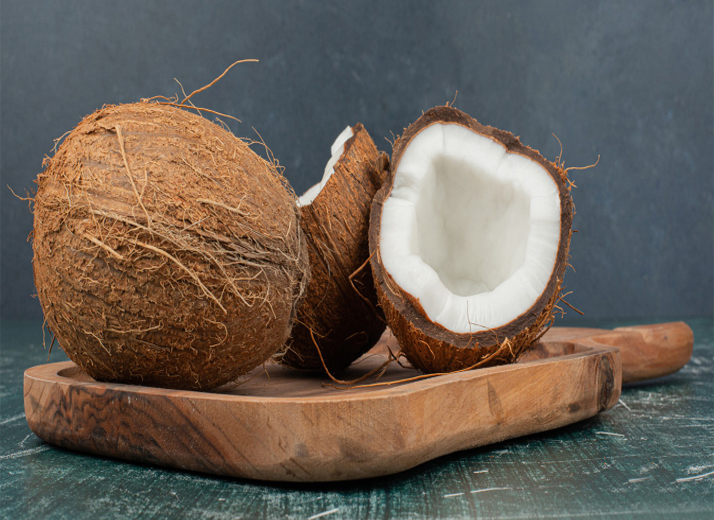
Husk Coconut
Send an Enquiry
Coconut husk, also known as coir, is the fibrous outer layer of the coconut fruit that surrounds the hard shell. It is a versatile natural material with numerous uses and benefits. Rich in lignin and cellulose, coconut husk fibers are durable, water-resistant, and biodegradable, making them ideal for eco-friendly products. Traditionally, husk fibers are used to make mats, ropes, brushes, and mattresses, while the coir pith, the spongy material from the husk, serves as an excellent soil conditioner and growing medium in agriculture and horticulture due to its high water retention and aeration properties. Additionally, coconut husk has environmental benefits as it is used in erosion control, landscaping, and biodegradable packaging, reducing reliance on synthetic materials. The husk is also being explored for activated carbon production, biofuel, and even insulation materials, highlighting its sustainability and potential in various industries. Overall, coconut husk is an abundant, renewable resource that combines practicality with environmental friendliness.
Health Benefits of Husk Coconut- Supports Digestive Health
- Helps in Weight Management
- Regulates Blood Sugar
- Promotes Heart Health
- Detoxification
- Supports Gut Microbiome
- Bone and Dental Health